Pest Control: Practical Methods to Shield Your Residence and Establishment
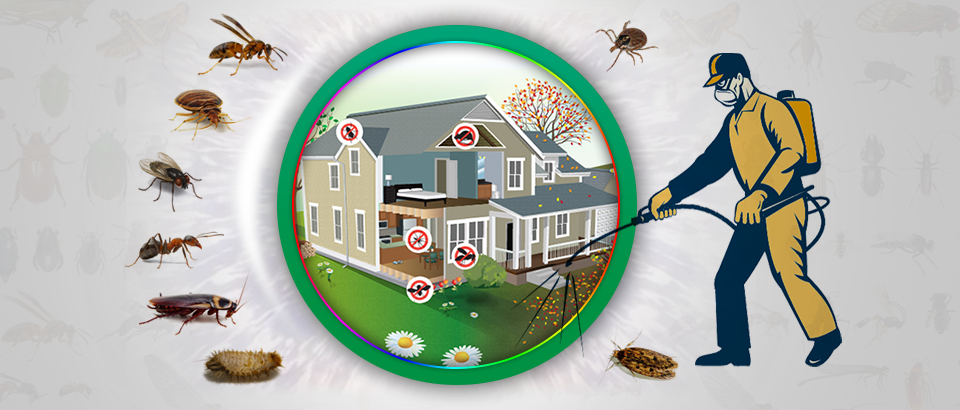
Pest Control: Efficient Techniques to Defend Your House and Enterprise
Preface to Pest Control
Pest Control concerns the management or coordination of life forms defined as pests – living things that harmfully affect people's undertakings or environments. In New Jersey, where multiple natural systems connect with urban-adjacent and urban growth, powerful Pest Control is not only a extravagance but a essential for keeping salubrious living and working settings. From the widespread communities of Monmouth County to the close residential areas of Matawan, pest incursions can disturb anyone, regardless of how spotless or adequately preserved their real estate may be.
The significance of applying powerful Pest Control tactics could not be exaggerated. For residents, pests can damage structural stability, corrupt food reserves, and constitute considerable health dangers. Establishments face these identical challenges, with the added apprehension of image destruction and potential forfeit of consumers if occurrences are uncovered. Typical pests in New Jersey include vermin like rats and mice, assorted creepy crawlies such as ants, cockroaches, and bed bugs, and the specifically detrimental termites that can stealthily undermine a building's structural basis.
The Rationale Pest Control Matters
Health Threats of Pest Control Chemicals
A lot of pests harbor and convey illnesses that can affect individuals and pets. Vermin are known transporters of hantavirus, salmonella, and leptospirosis. Cockroaches can induce asthma bouts and allergic effects, specifically in juveniles. Ticks, plentiful in New Jersey's wooded areas, are notorious for conveying Lyme disease, while mosquitoes can transmit West Nile virus and Eastern Equine Encephalitis. Qualified Pest Control aids lessen these health hazards by eradicating the foundation of these prospective disease carriers.
Property Destruction in Pest Control
The skeletal injury caused by pests can be extensive and pricey. Termites alone cause over $5 billion in structure harm yearly around the United States, with New Jersey homes being remarkably prone due to the state's environmental conditions. Rodents can bite through electrical circuitry, forming fire dangers, while their constant chewing can harm weatherproofing, pipes, and wooden basic components. Even ostensibly harmless ants can damage wood structures if neglected unaddressed, specifically carpenter ants which are widespread in Monmouth County.
Budgetary Effects of Pest Control Services
Dismissing pest issues can trigger considerable fiscal ramifications. What potentially start as a insignificant infestation needing basic handling can swiftly intensify into a serious difficulty requiring broad restoration. For companies, especially those in the food industry or guest service businesses, pest incursions can lead to unsuccessful health inspections, momentary shutdowns, and lasting harm to name and shopper faith. Putting money in periodic Pest Control is not only about instantaneous ease—it's a ongoing monetary defense.
Pest Control: Usual Household and Company Pests
Rodents (Rats and Mice)
When it comes to recognizing rodent invasions in your New Jersey home, awareness is crucial. You perhaps perceive pellets near food stocks, in containers, or under sinks. Bite marks on food packaging, timber, and electronic lines are indicative signals of their occupancy. At evening, you may distinguish scratching clamors in dividers, roofs, or under floors as these nocturnal organisms get energetic. If you locate homes produced from fragmented paper, fabric, or dehumidified plant matter, that's a evident sign rodents have established themselves settled. Fatty rub marks against baseboards and partitions manifest as rodents employ the identical paths regularly, while your pets may present strange manner such as barking or digging at places under equipment or fixtures where rodents seek refuge.
Vermin in New Jersey homes and companies pose many dangers surpassing pure nuisance. They can pollute food and making planes with germs found in their liquid waste and excrement. Their incessant necessity to bite can hurt goods, especially cables, which causes fire hazards. In Matawan and surrounding zones, the Norway rat and house mouse are exceptionally troublesome, flourishing in both municipal and bedroom community regions. Powerful Pest Control methods are fundamental to address these ruinous trespassers.
Insects (Ants, Cockroaches, Bed Bugs)
Bug outbreaks exhibit themselves in multiple methods depending on the variety. Ant complications become noticeable when you see visible ant routes leading to food supplies, or when you find small heaps of dirt or wood shavings created by carpenter ants. Cockroach issues often reveal themselves through dark droppings looking like coffee grounds or black pepper, a characteristic moldy smell that saturates contaminated locations, and the existence of egg capsules in secret corners. Bed bug infestations materialize as rust-colored marks on mattresses and belongings, shed skins near lounging areas, minute blood discolorations on sheets, and bothersome red swellings on skin ordinarily organized in a sequence or assembly.
Creepy crawlies typify the most varied group of pests in New Jersey. Cockroaches can initiate asthma and hypersensitivities while spreading multiple infectious agents. Bed bugs, while not disease spreaders, bring about substantial unease, sleep disruption, and mental suffering. Various ant breeds, like carpenter ants usual in Monmouth County's forested zones, can cause architectural damage akin to termites across time. Skilled Pest Control providers can distinguish precise insect types and execute targeted intervention plans that handle the singular habits and exposures of each pest.
Termites
Recognizing termite movement quickly requires knowing the slight indicators of their manifestation. You may notice rejected wings near casements and entries after swarmers have located a mate and established a new group. Mud tubes on exterior barriers, wood beams, or in crawl regions function as safeguarded highways for these detrimental critters. Wood that reverberates hollow when tapped reveals termites have been gorging from inside. Access points and apertures that all at once cling may indicate deforming from termite harm, while cracked or rising paint looking like water harm often disguises termite work beneath. Finding frass—termite pellets looking like minute wood-colored specks—provides another proof of their unwelcome being.
Termites present perhaps the most important foundational threat between all usual pests. In New Jersey, the Eastern subterranean termite is widespread and remarkably ruinous. These creatures can stay undiscovered for spans while inflicting substantial destruction to lumber structural components. Homes in Matawan and all through Monmouth County, principally older dwellings, are susceptible to termite incursions. The normal expenditure of term pest control.
Pest Control Security Factors
Safe Usage of Products and Substances in Pest Control
When products turn essential in your pest control approach, emphasizing safety demands focus to multiple important practices that shield people, animals, and the surroundings. Continuously study and adhere to product guidelines accurately, as these legal directions show comprehensive evaluation and regulatory evaluation designed to limit risks. Use the minimum efficient amount of chemical to attain management while limiting unneeded chemical introduction into your home space. Employ products only in spaces indicated on the product instructions, eliminating unauthorized applications that may create unexpected hazards or lower effectiveness. Don correct safeguarding equipment as indicated by chemical manufacturers to stop direct interaction during use. Store substances in their factory packages with labels undamaged to maintain availability to protection details and eliminate mix-ups. Maintain detailed logs of all uses, noting products applied, mixing ratios, areas treated, and schedules of treatment for subsequent use. Ensure adequate setting and airflow before reoccupying applied spaces, specifically crucial in New Jersey's conditions where dampness can influence setting periods. Examine lower-toxicity choices when successful, as developments in pest management have developed many lower-toxicity options that maintain efficacy while lowering potential risks.
Shielding Pets and Young ones Throughout Pest Control Services
Extra steps grow necessary when performing pest control steps in dwellings with susceptible family individuals. Move pets during treatment and until spaces are dry to stop direct contact with moist chemicals or pest control NJ fumes that could generate adverse reactions. Shield or take away pet nutrition, drinking dishes, and toys before treatment to avoid exposure that could cause accidental eating. Keep children's toys away from service areas, especially things that young children might put in their mouths. Disinfect and sterilize food making areas after application, even if they weren't specifically serviced, to eliminate any leftovers that might have collected during application. Ensure kids distant from serviced locations for the advised time, lengthening this duration for mobile toddlers who have increased close exposure with surfaces and bottom areas. Think about pet-safe and kid-friendly product alternatives when obtainable, as many contemporary chemicals focus on certain pest physiology while minimizing mammalian harm. Most significantly, tell professional specialists about the occurrence of companions, children, or pregnant family occupants before they create service strategies, allowing them to adapt approaches and substance selections suitably.
Regulatory Rules and Compliance with Pest Control
Pest control in New Jersey functions within a regulatory framework intended to shield public health and the surroundings while maintaining efficient pest elimination. The New Jersey Department of Environmental Protection manages pest management operations, demanding professional pest elimination organizations to fulfill certain specifications. Businesses must employ authorized technicians who have completed government assessments showing expertise in pest biology, application methods, and safety procedures. These organizations must keep proper coverage insurance safeguarding both their professionals and their patrons from possible injury or injuries connected with pest control procedures. Stringent standards regulate pesticide storage, shipping, and removal to prevent ecological contamination and illegal access. Experts must offer Safety Data Sheets upon demand, detailing the features and hazards of products used in services. Notification standards relate for some treatments, especially in multi-unit residences or commercial areas with many inhabitants. Thorough application logs must be kept, forming an audit trail of pest elimination activities. Additionally, only substances approved for utilization in New Jersey may be legally utilized, confirming that local ecological conditions and environments have been evaluated in the approval procedure. For commercial properties in Matawan and throughout Monmouth County, additional rules may relate depending on the field, especially for restaurant industry, health, and daycare buildings where pest control overlaps with additional community safety considerations.
Environmentally-Friendly Pest Control Alternatives
Unified Pest Control (IPM) Strategy
Combined Pest Management exemplifies the gold standard in modern pest control, concentrating on long-term prevention through a combination of approaches that decrease ecological influence while maximizing performance. The IPM method initiates with detailed evaluation and tracking to identify pest infestation exactly, setting up baseline facts about varieties present and quantity sizes. This results in exact recognition of pest types, confirming management actions address particular actions and vulnerabilities rather than employing universal applications. Professionals determine threshold quantities that warrant action, understanding that the simple presence of a limited pests does not always demand intervention if amounts continue beneath destructive thresholds. When treatment becomes necessary, IPM implements multiple control strategies in cooperation, commonly initiating with low-impact methods and advancing only when needed. Within the method, professionals review performance and modify methods as appropriate, forming a adaptable method reactive to evolving environments. Most significantly, IPM highlights deterrence over control, addressing construction and surrounding aspects that maintain pest numbers rather than simply eradicating existing pests. Many pest control companies in New Jersey deliver IPM-based solutions that correspond with the state's initiative toward minimal-impact pest control methods, particularly in delicate settings like learning institutions, healthcare centers, and nutrition manufacturing centers.
Non-Chemical Control Techniques
Successful pest control often incorporates natural methods that can address or reduce pest concerns without bringing products into the area. Physical obstacles such as screens, door sweeps, and closing eliminate pest entry fully, tackling the concern at its beginning. Manual controls like traps and exclusion tools remove existing insects while stopping fresh arrivals. Living controls featuring useful insects and microbes add living opponents that target individual pests while keeping advantageous life forms unharmed. Behavioral methods modify the surroundings to deter insects, such as changing water routines to lower water that attracts particular creatures. Area alteration lowers harborage and sustenance supplies, rendering properties reduced favorable to unwanted occupants. For certain insects like bed bugs, heat applications offer exceptionally productive treatment without chemical remains by increasing thermal levels above the thermal lethal threshold for all living cycles of the target pest. Comparably, cold approaches for warehoused commodity organisms like cereal insects or food storage moths can eradicate infestations in food goods without synthetic pollution. These methods demonstrate particularly valuable in New Jersey's diverse environments, where nearness to aquatic areas, preserved ecological locations, and thick community centers creates multiple scenarios where toxic reduction turns desirable or needed.
Eco-Conscious Pest Control Control Options
The pest control sector keeps to advance toward more sustainable methods that retain performance while reducing natural impact. Natural insecticides sourced from plant compounds like pyrethrum, neem oil, and concentrated oils supply targeted elimination with reduced lasting power in the nature. Biological agents featuring microbes, organisms, or pathogens that target certain pest organisms supply exactness that conventional universal pesticides are unable to match. Reproductive modifiers that inhibit pest reproduction by interfering with life cycle stages supply sustained population control without instant dangerous impacts on developed pests. Chemical tools that track or disrupt pest reproduction support determine when treatment grows required and can stop breeding in some kinds. The field more and more embraces lower-risk pesticides with minimal natural footprint, moving away from conventional chemistries with more extensive effects on unintended organisms. Accurate usage equipment that minimize entire product application apply applications specifically where required rather than distributing materials across broad zones. Sustainable approval schemes for pest control organizations establish standards for environmentally favorable service and give consumers with plain marking of companies pledged to green approaches. In ecologically critical regions of New Jersey, encompassing areas of Monmouth County with nearness to water systems, these green methods are particularly useful for safeguarding both people's wellness and natural habitats while yet providing effective pest treatment.
Finding a Local Pest Control Service Provider in New Jersey
Capitol Exterminating System
272 NJ-34
Matawan, NJ 07747
(732) 441-1900
Frequently Requested Queries (FAQs) about Pest Control
How frequently should pest control be performed?
For many New Jersey homes, four times yearly pest control delivers appropriate safeguarding against recurring pest threats. This frequency corresponds with the region's unique times, each generating various pest problems that demand proactive attention. Spring applications typically address arising ant colonies and surviving organisms getting active. Summertime services center on mosquitoes, parasites, and multiple winged creatures that succeed in hotter temperatures. Autumn applications set up homes for rodents and sheltering organisms searching for refuge as conditions drop. Winter procedures keep protection against internal pests while handling mouse and rat pressure at its maximum. Though, this frequency may increase for properties with specific danger aspects or persistent problems that call for additional rigorous control. Residences adjacent to natural locations in Monmouth County may gain from extra parasite and mosquito control procedures within peak times. Buildings with history of particular pest problems often need targeted follow-up treatments above the regular quarterly frequency. Commercial establishments, particularly food service operations in regions like Matawan, frequently need monthly treatment to keep adherence with sanitary rules and stop problems that could hurt reputation and business processes.
Is professional pest control harmless for companions?
When executed correctly, expert pest control can be harmless for companions through thoughtful substance choosing and usage techniques that limit interaction. Current focused usage methods and minimal-impact products have significantly improved safety profiles relative to traditional pest handling approaches. Recent applications frequently employ mixtures explicitly designed to have minimal danger to creatures while keeping productive against target organisms with separate biologies. Professional applicators acquire instruction in treatment techniques that position chemicals in spots pets cannot get to, such as interior gaps, fissures and crevices, or beneath appliances. Nonetheless, companions should be removed during service and until all applications have cured completely, following specific pause intervals recommended by the substance manufacturer and professional. Water containers should be covered and oxygen equipment disabled while performing application to eliminate infection from aerial debris. Pet belongings including beds, objects, and eating equipment should be removed or covered throughout service. Review any worries with your pest control specialist, who can recommend correct rest durations according to the individual services applied and adapt approaches for residences with particularly susceptible animals like avians or lizards and snakes that may have separate physical vulnerabilities than felines and dogs.
What are the indicators of a significant pest invasion?
Beyond visible insects themselves, multiple warning indicators show possibly major infestations demanding quick pest control intervention. Uncommon scents often appear with large issues – moldy, greasy odors may indicate small mammals, while sugary, nutty aromas occasionally occur with German cockroach communities. Puzzling construction harm like sagging surfaces, blistering surface, or crumbling material may reveal termite infestation or carpenter ant invasions ruining structural parts. Strange disturbances within barriers or upper spaces, notably at dark, commonly suggest small mammal movement as these nighttime creatures get mobile in hidden locations. Too much powder similar to small wood particles beside wooden pieces may truly be droppings or excrement from timber-damaging creatures. Some households face puzzling health concerns like breathing issues or irritation that disappear when gone from home, possibly suggesting creature problems altering interior environmental quality. In New Jersey residences, specific consideration should be directed to underground and crawlspace locations where water concerns can sustain pest communities, specifically in aged homes throughout Monmouth County where foundation splits and crumbling binding offer various penetration locations. Locating multiple dead bugs of the same variety implies a larger group in the area, while residue marks near floor edges indicate established small mammal passages with ongoing activity.
Can I prevent organisms without pest control chemicals?
Absolutely, various insects can be eliminated through suitable cleanliness, blocking, and habitat alteration without using chemical applications. The cornerstone of natural pest control begins with detailed blocking work – filling fissures, holes, and holes that allow organisms to access properties in the beginning place. Placing door sweeps, fixing deteriorated screens, and sealing service access points gets rid of typical access places. Getting rid of feeding sources through appropriate nutrition keeping in closed containers, fast clearing of spills and fragments, and regular refuse elimination significantly minimizes draws that bring organisms indoors. Decreasing water by fixing flowing fixtures, upgrading air movement in humid areas, and handling runoff troubles stops the moisture origins numerous pests require. Sustaining a distance space surrounding structures by trimming plants, eliminating plant debris, and keeping wood lifted and apart from homes decreases shelter zones and penetration points. Employing physical shields like copper material or steel fiber to stop bigger openings provides permanent exclusion for small mammals and rats. Routine maintenance that includes suction cleaning openings and openings eliminates pest offspring and sustenance particles that encourage pest growth. For present issues, though, some form of management product may be essential to fix established troubles, though numerous lower-risk alternatives are obtainable featuring natural silica powder, boric powder, and bug-eliminating cleaners that offer decreased risk compared to standard pesticides.
What should I anticipate throughout expert pest control application?
A qualified pest control application commonly starts with a comprehensive examination to identify pest varieties, penetration points, and conducive environments adding to the trouble. The technician should spend time checking both inside and external areas, giving specific care to food preparation areas, bathing facilities, basements, and boundary foundations where pest behavior frequently accumulates. Upon completing this inspection, the specialist should clarify their findings in thoroughness and advise a procedure approach adapted to your specific case, discussing both the designated pests and the approaches recommended for managing them. You may be given arrangement steps before application, possibly featuring moving objects, emptying specific locations, or containing companions. While performing the procedure, the technician will employ correct substances to focused locations considering the pest types determined, focusing on fissures, crevices, and pest hiding zones rather than distributing services throughout complete areas. They may place surveillance tools like creature devices or attractant systems that help follow development and supply ongoing security. After ending applications, a professional should detail any subsequent guidelines such as ventilation standards, occupancy durations, or areas to wash. Before departing, they should set up subsequent services if essential for specifically challenging creatures like bed bugs or German insects that commonly call for multiple treatments for full removal. Throughout this process, professionals should encourage questions and provide clear facts about the chemicals and techniques used, displaying their education and dedication to both success and protection.
Successful pest control is an important aspect of sustaining healthy, secure living and professional spaces in New Jersey. From the damp warm seasons that produce flying insects and parasites to the chilly seasons when rodents search for harborage interior, pest pressures continue a ongoing problem for homeowners and companies in Monmouth County and Matawan. By comprehending frequent creatures, implementing precautionary steps, and understanding when to pursue qualified assistance, property holders can defend their properties and the wellbeing of occupants.
Implementing a forward-thinking system to pest control is constantly increasingly effective and budget-friendly than reacting to developed issues. Regular examinations, appropriate upkeep, and dealing with tiny concerns before they escalate can eliminate the major expenses and problems associated with serious pest problems. When specialist help turns necessary, deciding on a reliable, licensed pest control company who applies integrated pest treatment strategies provides successful results with reduced ecological footprint.